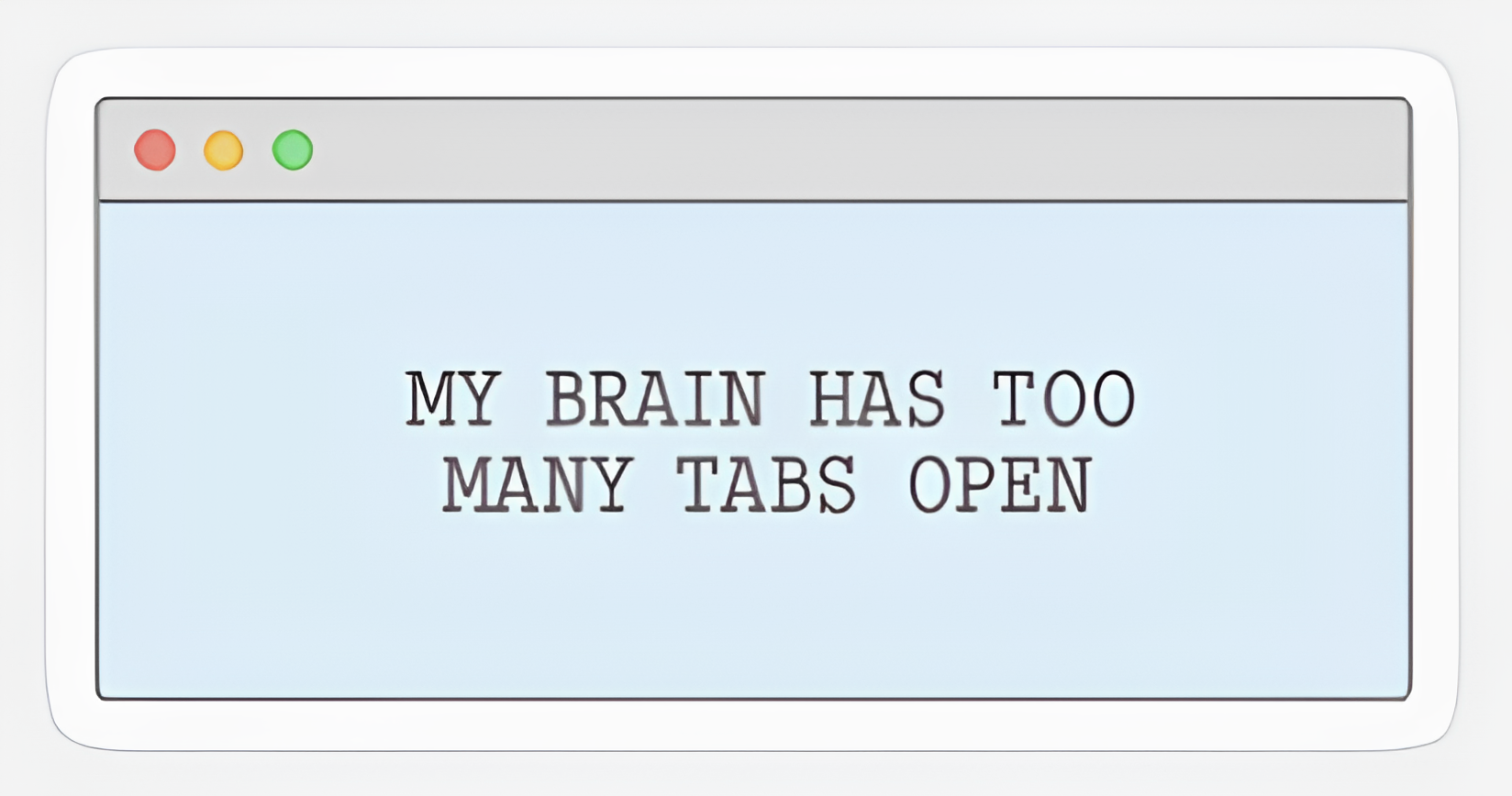
If you live with ADHD you have probably heard things like:
“Just try harder”
“You just need more discipline”
“You are so motivated when you want to be why not all the time”
And if you are like most ADHDers you may have found yourself wondering:
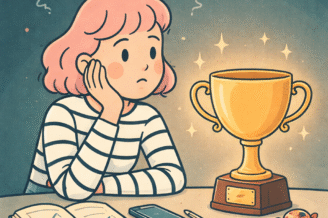
“Why can I do some things effortlessly but I cannot make myself start the simplest tasks”
Here is the truth
👉 It is not laziness. It is not lack of discipline. It is not a character flaw
👉 It is chemistry. It is brain wiring. It is biology
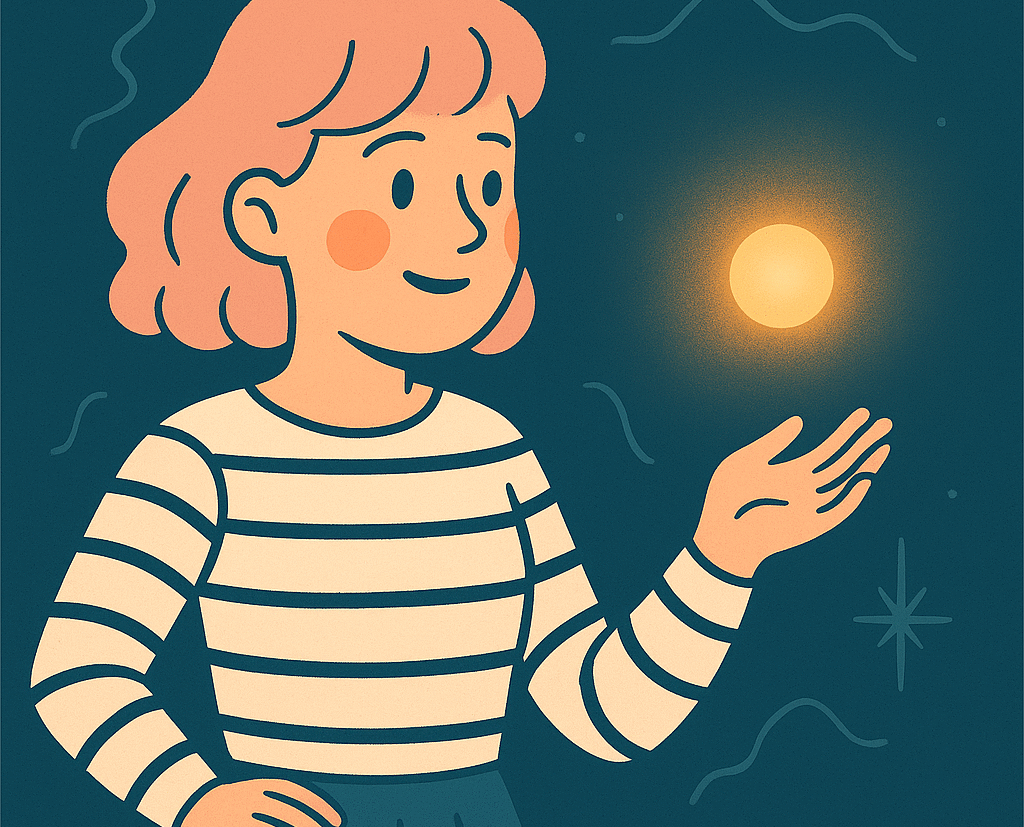
The ADHD brain runs on a different kind of fuel. It tends to respond to interest rather than importance. Noticing that difference can change the way you understand your own motivation.
Why Motivation Feels Broken: The Dopamine Gap
Dopamine is your brain’s motivation and satisfaction chemical and the ADHD brain does not regulate it the same way neurotypical brains do. That can make everyday tasks feel less rewarding, starting things feel harder, and staying focused on boring tasks feel like a struggle.
This does not mean you do not care. It is simply how your neurobiology works.
Why Interest Is the Fuel Not Importance
For many brains motivation comes from importance. For ADHD brains it often comes from interest.
When something captures attention your brain releases the dopamine needed to think clearly, plan, prioritize, and stay on track. That can make it possible to be unstoppable when something is fascinating but feel completely stuck when something is boring even if it is urgent. This is not inconsistency. It is consistent wiring.
The Magic of Anticipation and Novelty
Motivation for ADHD often thrives on anticipation as much as interest. Brains light up when they sense a spark of excitement, a tiny moment of surprise, or the possibility of success. That is why new challenges, tight deadlines, fun ideas, or small rewards can suddenly make focus and energy appear. Interest together with anticipation often creates that moment when your brain says “Okay, let us do this”.
Why Future Rewards Do Not Work Well
ADHD brains experience time differently. Not now can feel like never which can make long-term rewards feel less motivating. Phrases like “you will regret it tomorrow” or “it pays off in the long run” often do not provide enough dopamine to spark action. Smaller immediate rewards can feel bigger and waiting can feel unbearable. This is not immaturity. It is simply how your brain perceives time and reward
Finding Motivation That Feels Natural
Motivation does not have to be fixed or forced. There are ways of working with how the brain naturally functions.
Spending even a few minutes on something that feels interesting can gently wake up your attention and energy.
Adding things to look forward to, like music, cozy spaces, timers, or little challenges can make everyday tasks feel more engaging.
Noticing and remembering small successes can bring a boost of dopamine and confidence, making it easier to start the next task.
Introducing small changes or variety, like a new way of doing a task or a tiny challenge, can spark focus.
Tying tasks to personal values, relationships, or meaningful goals can naturally draw in motivation.
These approaches are not about relying on willpower or discipline. They are ways of shaping your day and environment so they work with your brain.
The Takeaway: You Are Not Unmotivated You Just Respond to Different Fuel
For ADHD brains motivation rarely comes from trying harder. It tends to come from the right combination of:
✨ Interest
✨ Excitement
✨ Emotion
✨ Anticipation
✨ Connection
✨ Novelty
✨ Purpose
Your brain is not resisting you. It is responding to its own chemistry. Understanding how ADHD motivation works can shift the perspective:
You might notice less self-blame,
You might naturally let go of strategies that never fit your brain,
You can create a rhythm and life that responds to the fuel your brain actually runs on.